
Annual budget planning guide sets the stage for this enthralling narrative, offering readers a glimpse into a story that is rich in detail with casual formal language style and brimming with originality from the outset.
Readers will delve into the key aspects of annual budget planning, from its importance and objectives to the best practices for effective budget planning.
Introduction to Annual Budget Planning Guide
Annual budget planning is a crucial process for any organization as it helps in setting financial goals, allocating resources effectively, and monitoring performance throughout the year. It serves as a roadmap for financial management and decision-making.
Key Objectives of Creating an Annual Budget Plan
- Establishing Clear Financial Goals: A budget plan helps in defining specific financial targets for revenue, expenses, and investments.
- Resource Allocation: It aids in allocating resources such as funds, personnel, and assets in a strategic manner to achieve organizational objectives.
- Performance Monitoring: By comparing actual financial results with the budgeted figures, organizations can track performance, identify variances, and take corrective actions if needed.
Benefits of Having a Comprehensive Budget Plan for an Organization
- Financial Discipline: A budget plan promotes discipline in financial management and reduces the risk of overspending or misallocation of resources.
- Decision Making: It provides a basis for making informed decisions related to investments, expenses, and revenue generation.
- Risk Management: By anticipating financial challenges and planning for contingencies, organizations can mitigate risks and ensure financial stability.
Components of an Annual Budget Planning Guide
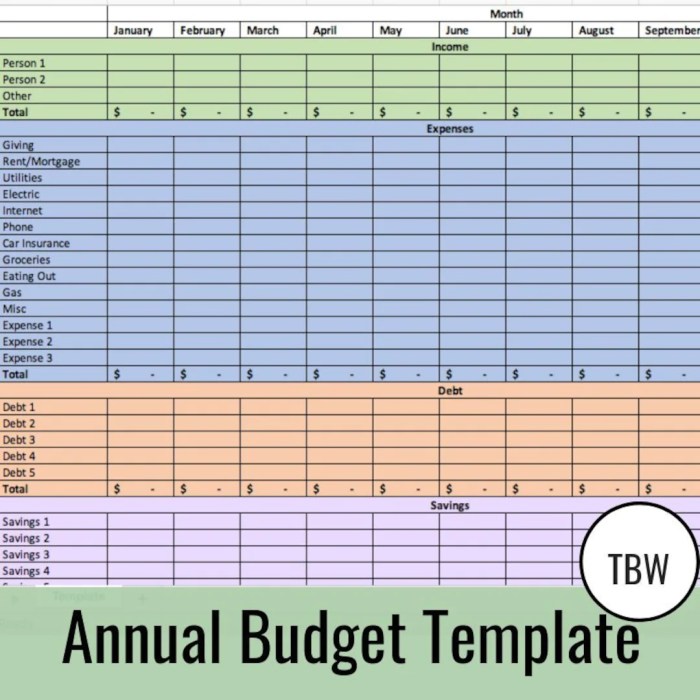
An annual budget plan should include essential elements to ensure effective financial management and decision-making. This includes revenue projections, resource allocation, and other key components.
Revenue Projections
Revenue projections are a crucial aspect of the budget planning process as they provide an estimate of the income that the organization expects to generate over the upcoming fiscal year. These projections are typically based on historical data, market trends, and future expectations.
Resource Allocation
- Identifying Priorities: The budget should allocate resources based on the organization’s strategic goals and priorities. This involves determining which areas require more funding to support growth and sustainability.
- Cost Control: Effective resource allocation also involves cost control measures to ensure that expenses are kept in check and align with the overall financial objectives of the organization.
- Monitoring and Evaluation: It is essential to monitor the allocation of resources throughout the year to track performance and make adjustments as needed. Regular evaluation helps in identifying any deviations from the budget plan.
Steps to Develop an Annual Budget Planning Guide
Developing an annual budget planning guide involves a systematic approach to ensure financial stability and growth for your organization. Below are the essential steps to create an effective annual budget plan.
Setting Financial Goals and Priorities
- Start by identifying the overall financial goals of your organization. These could include increasing revenue, reducing expenses, or improving profit margins.
- Break down these goals into specific, measurable objectives that can be incorporated into your budget plan.
- Prioritize these objectives based on their importance and impact on your organization’s financial health.
- Allocate resources accordingly to ensure that your budget reflects these goals and priorities.
Reviewing Past Financial Performance
- Examine your organization’s financial statements from the previous year to understand where the money was spent and where it came from.
- Identify any trends or patterns in your financial performance that may impact your budget planning for the upcoming year.
- Consider any unexpected expenses or windfalls that occurred in the past year and how they may influence your budget for the future.
- Use this information to make informed decisions about budget allocations and financial strategies for the coming year.
Best Practices for Effective Budget Planning
When it comes to effective budget planning, accuracy and reliability are crucial. Here are some tips to ensure that your budget planning process is on point:
Ensuring Accuracy and Reliability
- Utilize historical data and trends to make informed projections.
- Involve key stakeholders from different departments to gather diverse perspectives.
- Regularly review and update the budget to reflect any changes in the financial landscape.
- Implement checks and balances to minimize errors and ensure consistency.
- Consider using budgeting software to streamline the process and improve accuracy.
Aligning Budget with Organizational Goals
- Clearly define organizational goals and objectives to guide the budgeting process.
- Ensure that each budget item contributes to the overall strategic goals of the organization.
- Communicate the budget plan effectively to all stakeholders to ensure alignment and buy-in.
- Regularly assess performance against budget targets to measure alignment with goals.
Monitoring and Adjusting the Budget
- Establish key performance indicators (KPIs) to track budget performance throughout the year.
- Conduct regular budget reviews to identify variances and make necessary adjustments.
- Be flexible and willing to reallocate resources based on changing needs and priorities.
- Engage stakeholders in the monitoring process to gain valuable insights and feedback.
As we conclude this exploration of annual budget planning, it is evident that a well-crafted budget plan is crucial for organizational success. By following the Artikeld steps and best practices, businesses can navigate financial waters with confidence and precision.
User Queries
What is the importance of annual budget planning?
Annual budget planning helps organizations set financial goals, allocate resources effectively, and track performance against targets.
How are revenue projections determined for the budget?
Revenue projections are usually based on historical data, market trends, and sales forecasts to estimate income for the upcoming year.
Why is reviewing past financial performance important in annual budget planning?
Reviewing past financial performance helps in identifying areas for improvement, setting realistic goals, and making informed budget decisions.
What are some tips for ensuring accuracy in budget planning?
To ensure accuracy, it’s essential to involve key stakeholders, use reliable data, regularly update the budget, and consider various scenarios.


